HAZARD
Strong wind
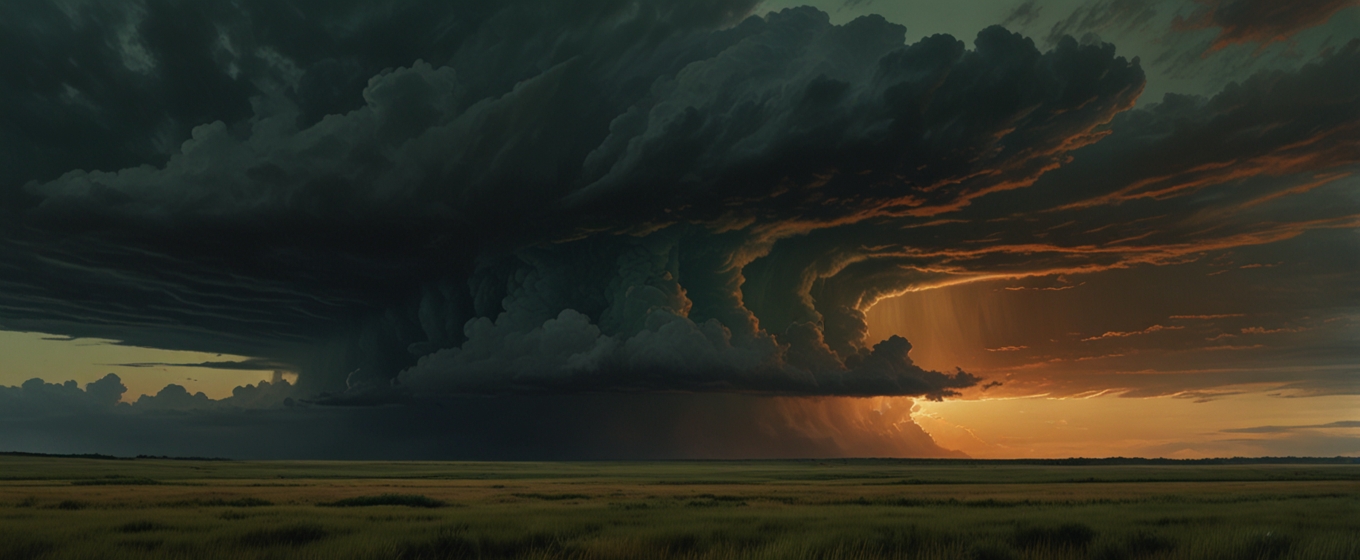
Straight-line winds and derechos—widespread windstorms—can topple trees, damage roofing, and compromise structural integrity.
FEMA National Risk Index & Ready.gov (reviewed) · reviewed 2026-07-06
What raises the risk
- Flat, open terrain or elevated locations with little natural windbreak.
- Loose objects, dead tree branches, and unbraced structures that amplify wind damage.
- Geographic proximity to thunderstorm corridors and derecho-prone regions, especially in summer.
How to prepare
- Trim dead branches and lean branches that overhang your home and power lines.
- Secure loose outdoor items—furniture, grills, trash cans—before high-wind events.
- Know evacuation routes and have emergency supplies ready; reinforce garage doors and consider impact-resistant shutters.
Insurance
Wind damage is usually covered by standard homeowners policies, though some include named-storm or wind deductibles that can be higher than other claims. Verify your deductible structure and coverage limits for wind events with your insurer.
Where Strong wind risk rates highest
Covered US counties with the highest FEMA Strong wind risk score (a national percentile):
- Cook County, IL100
- Kings County, NY100
- Queens County, NY100
- Wayne County, MI100
- Orange County, FL100
- Middlesex County, NJ100
- Polk County, FL100
- Monmouth County, NJ100
General information, not insurance or financial advice. Risk varies by specific property — confirm your coverage and needs with a licensed professional.